Best Dental Technologies That Ensure Safer, Faster Treatment
January 14, 2026
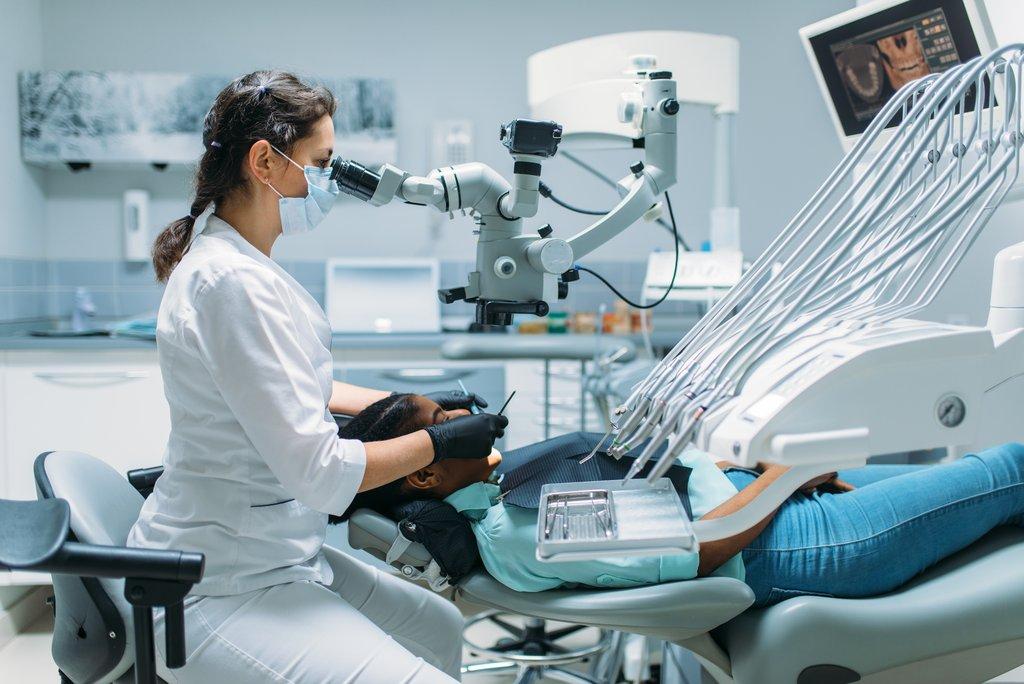
Modern dental technology that makes treatments safer, faster and more comfortable
Dentistry has changed significantly. At our Carindale clinic, we use proven modern tools to improve safety, speed treatment and reduce anxiety. This page outlines the technologies we use, how they improve comfort and recovery, and which procedures benefit most so you can make informed choices about your care.
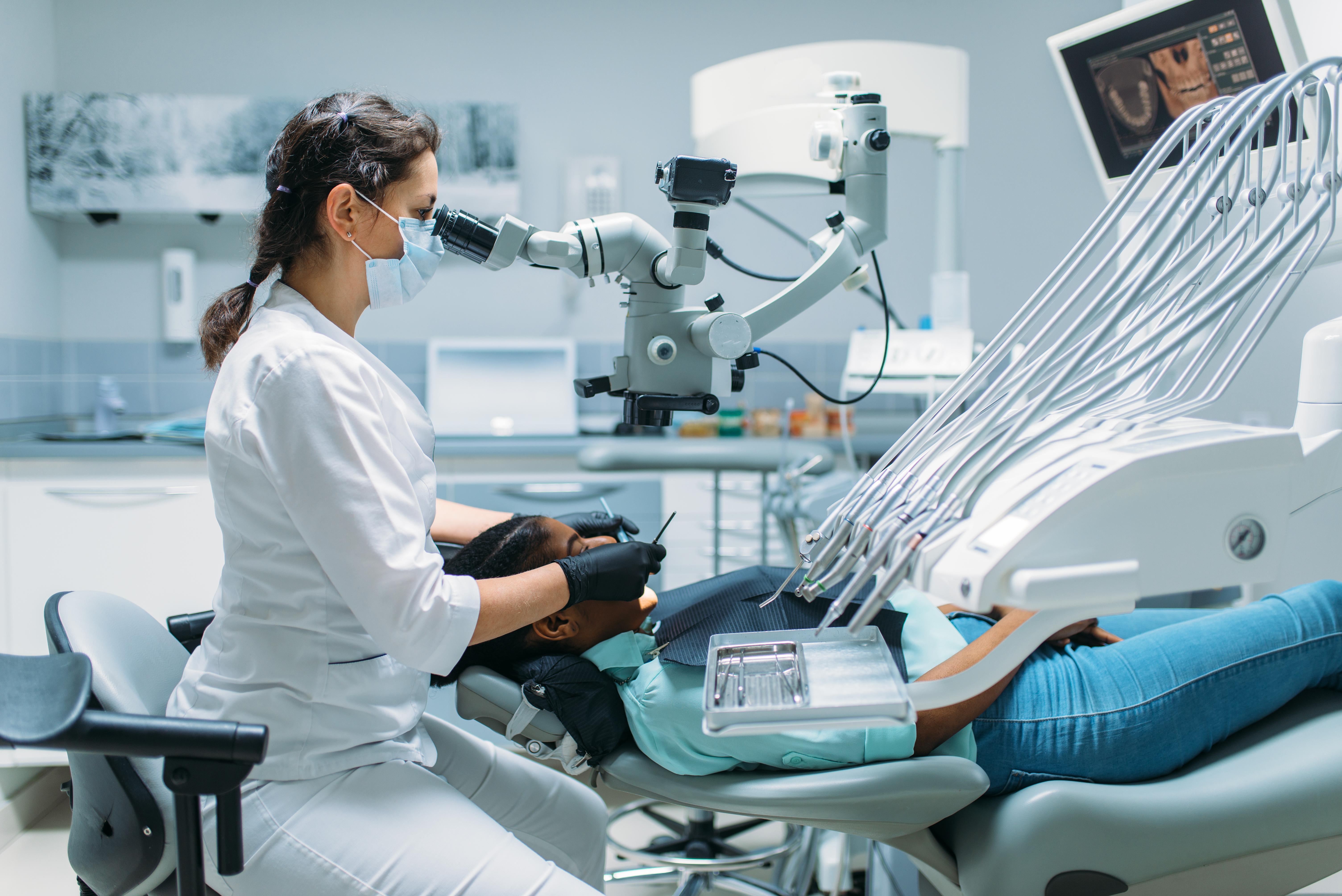
What are the main benefits of modern dental technology?
New dental technologies bring practical advantages: improved safety, shorter appointments and gentler treatments, which together deliver better outcomes and a more relaxed experience in the chair.
Independent research supports the positive changes these tools are bringing to dental care.
Advanced dental technologies: impact on patient outcomes A recent systematic review highlights rapid technological advances over the past decade — showing improvements in diagnostic accuracy, treatment precision and patient experience. The review considered terms such as "advanced dental treatment," "digital dentistry," "laser dentistry," "regenerative dentistry" and "dental implants." Innovations in Advanced Dental Treatments: A Systematic Review of Techniques, Technologies, and Patient Outcomes, 2025
- Improved safety : Precision tools and clearer diagnostics reduce risk and help procedures run more smoothly.
- Faster treatment times : Digital workflows and modern equipment speed diagnosis and restorative work, reducing chair time and repeat visits.
- Enhanced comfort : Less invasive techniques and improved pain management make visits less stressful and recovery quicker.
These technologies improve clinical results and create a friendlier, more reassuring patient experience. Dr Nikita Verma — with more than 15 years’ clinical experience — leads our Carindale team with a patient-first approach.
How do modern technologies improve safety in dental care?
Digital imaging and intraoral scanners give clearer views and accurate measurements, so treatment plans are precise and mistakes are less likely. That accuracy leads to safer procedures and reduced discomfort.
How do modern dental tools speed up treatment?
Smart digital workflows — such as CAD/CAM and diagnostic software — let us plan, design and produce restorations faster, often reducing the number of visits while maintaining quality.
How does laser dentistry improve comfort and outcomes?
Laser dentistry uses focused light to treat soft and hard tissues with high precision. Many patients find laser procedures gentler, with less bleeding and swelling and a quicker recovery.
- Less invasive procedures: Lasers allow precise removal of diseased tissue while preserving healthy areas.
- Reduced pain and recovery time: Patients often report less discomfort during and after laser treatments.
- Improved treatment outcomes: Laser control can enhance results for procedures such as gum reshaping and targeted decay removal.
We use laser technology where appropriate to keep treatments comfortable and stress-free.
What are the patient benefits of laser dentistry?
Laser treatment helps in several practical ways:
- Comfort during procedures : Precision often reduces the need for anaesthesia and makes procedures feel less invasive.
- Faster healing : Less trauma typically means reduced bleeding and swelling and quicker recovery.
- Lower anxiety : Many patients find laser work less intimidating, which eases dental visits.
Some studies have specifically examined laser therapy’s role in reducing dental anxiety, especially in younger patients.
Laser therapy for dental anxiety reduction One study protocol evaluated the Er:YAG laser combined with behaviour-management techniques to assess whether this approach helps reduce dental anxiety in paediatric patients. Efficiency of ER: YAG laser therapy in combination with behaviour management technique in reducing anxiety among paediatric dental patients — a study protocol, A Belcheva, 2022
Which treatments commonly use laser technology?
Lasers are useful across several dental procedures, including:
- Gum reshaping: Precise contouring for improved gum health and appearance.
- Cavity treatment: Targeted decay removal that can reduce the need for extensive drilling.
- Teeth whitening: Laser-assisted whitening can enhance results while managing sensitivity.
These applications show how lasers can make care safer and less invasive.
Why is digital dental imaging important for precision and safety?
Digital imaging provides immediate, detailed pictures of teeth and supporting structures, improving diagnostic confidence and helping us explain options visually.
- Greater diagnostic accuracy : Digital images reveal details that enable earlier, more accurate diagnoses.
- Lower radiation exposure : Digital X‑rays use far less radiation than film.
- Faster processing : Instant images enable quicker decisions and shorter visits.
We use digital imaging to ensure diagnoses and treatment plans are accurate and efficient.
How do digital X-rays reduce radiation compared with older methods?
Advanced sensors need less radiation to produce clear images; studies commonly report major reductions compared with film X‑rays, and instant results speed up planning.
What advantages do 3D scans and intraoral scanners offer?
3D scans and intraoral scanners improve treatment planning by producing accurate digital models and removing the need for messy impressions in many cases.
- More accurate planning : Precise digital models aid restoration and orthodontic design.
- Greater comfort : Scanners often replace traditional impression materials.
- Quicker overall treatment : Digital models speed lab work and reduce back-and-forth.
Using these tools helps deliver smoother, more predictable care.
Can same‑day crown technology improve efficiency and convenience?
Same‑day crown systems let us design, mill and place a crown in a single appointment, avoiding temporaries and restoring function and appearance quickly.
- Convenience: Receive your final crown in one visit.
- Time saved: CAD/CAM workflows shorten the timeline compared with traditional lab steps.
- High quality: Modern materials and milling produce durable, natural-looking restorations.
We offer same‑day crown options to improve convenience while maintaining aesthetic and functional results.
How does CAD/CAM speed up crown fabrication?
CAD/CAM lets us scan the prepared tooth, design the crown digitally and mill it in the clinic, removing multiple lab steps and allowing immediate placement.
The clinical performance and efficiency of CAD/CAM-fabricated crowns have been well studied.
CAD/CAM crowns: clinical performance and same‑day potential Studies comparing different CAD/CAM-fabricated ceramic crowns have evaluated their durability and clinical outcomes. Research has explored both monolithic lithium disilicate crowns and fully CAD/CAM restorations to understand performance over time. Clinical performance of two different CAD/CAM-fabricated ceramic crowns: 2‑Year results, 2015
What patient benefits come from same‑day restorations?
Patients commonly enjoy practical advantages:
- Fewer visits: No second appointment for a lab-made crown.
- Immediate results: You leave with the final restoration in place.
- Greater satisfaction: Speed and convenience often improve the overall experience.
Thoughtful use of these technologies helps deliver faster, more comfortable care without sacrificing quality.
Frequently asked questions
Q. What types of dental technologies count as "advanced"?
Advanced dental technologies include laser dentistry, digital X‑rays and 3D imaging, CAD/CAM systems for same‑day crowns, and intraoral scanners — each improving diagnosis, speed and comfort.
Q. How does laser dentistry compare with traditional methods?
Lasers offer greater precision and are often less invasive; where appropriate they can reduce drilling and anaesthesia, lower bleeding and speed recovery, though traditional methods remain valuable in some cases.
Q. What role does patient education play in adopting new technologies?
Education is vital: when patients understand benefits and limits they can make informed decisions. We explain options, show images and answer questions so you feel confident.
Q. Are there risks with advanced dental technologies?
Like any clinical tool, advanced technologies must be used correctly — for example, improper laser use can cause tissue damage and digital systems require secure data handling. In trained hands the benefits usually outweigh risks.
Q. How can patients find a practice that uses modern dental technology?
Look for clinics that describe their equipment and workflows online, read patient reviews and ask directly about technologies used. Recommendations from friends or local associations can also help.
Q. What does the future of dental technology look like?
Future advances include smarter diagnostic tools driven by artificial intelligence, improved imaging and planning tools, and new restorative materials to make care safer, quicker and more comfortable.
Conclusion
Modern dental technologies have made care safer, faster and more comfortable for many patients. If you'd like to know which technologies are right for you, our Carindale team is happy to discuss options and answer your questions.